How Formula 1 flight logistics stay useful over time
Formula 1 is a sport driven by speed on track, but the paddock lives and breathes through air travel. This guide explains how teams, drivers and cargo move from one race to the next, no matter which season is on the calendar.
Want to know how F1 teams turn a 2026 race schedule into a global flight plan? We trace 21 key legs across four major travel blocks—Asia-Pacific, North America, Europe and the Middle East—so you can see why charter flights, crew recovery windows and airport choices matter just as much as track position.
We use this calendar as a practical example rather than a one-year story. The same planning ideas apply from season to season: group races into travel blocks, move cargo on dedicated charters, protect crews with smart overnight transfers, and treat each intercontinental leg as a separate logistics problem.
The example schedule is especially helpful because it includes Asia-Pacific, North America, a dense European summer, two separate Spanish venues, and a long autumn route through the Americas to the Middle East.
What you’ll learn: how teams keep a global season moving, why race blocks matter, and how to compare this schedule with your own route planning.
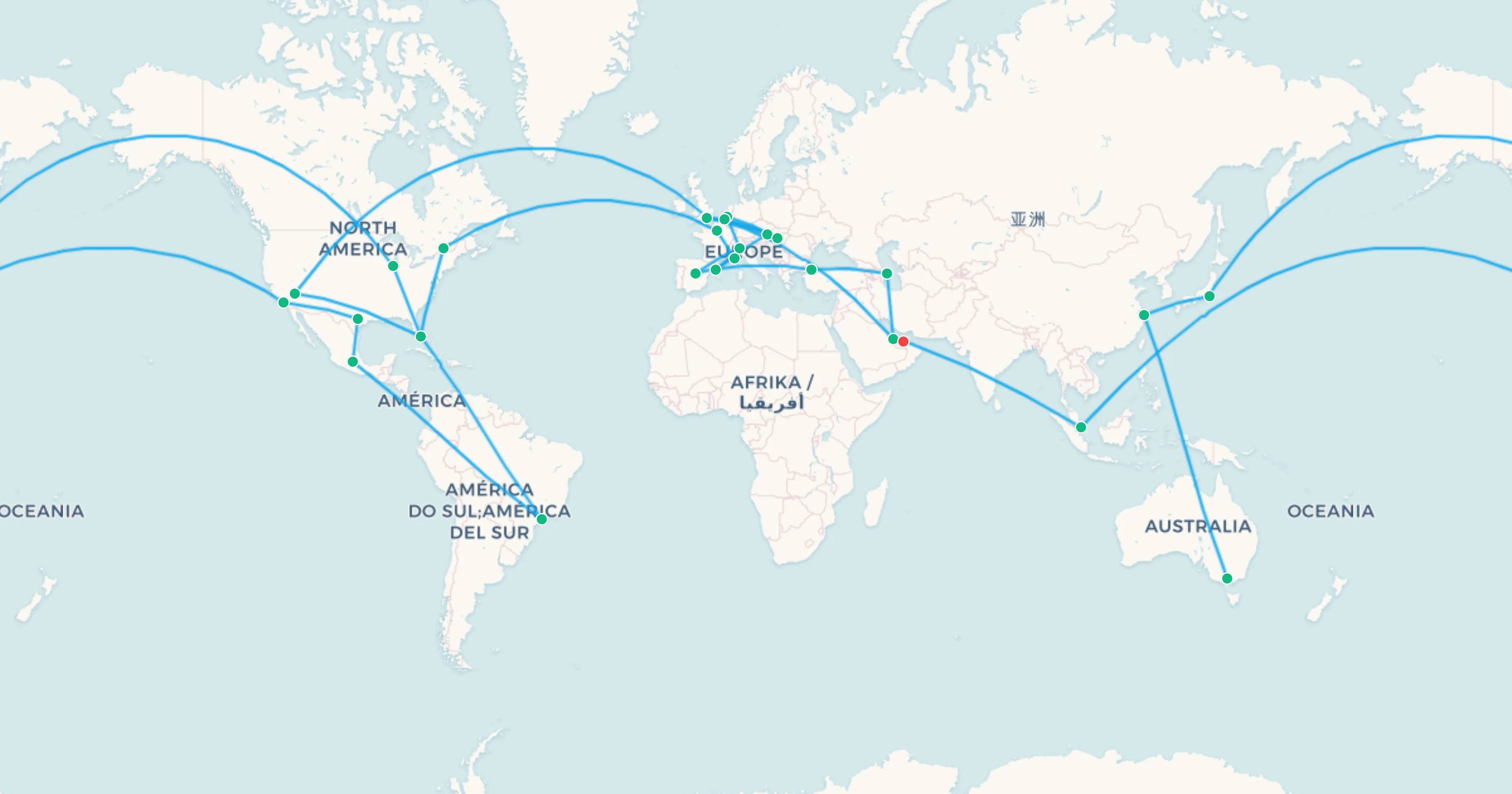
➕ Add these 28 routes to my map | 🗺️ Preview these routes on the map | 📥 CSV
See the route on the app, or use the overview CSV above to compare travel plans across seasons.
How to use this calendar as a logistics playbook
- Group adjacent races into logistics blocks. One cargo wave is far easier to manage than packing and unpacking every weekend.
- Separate cargo and crew. Cars, spares and hospitality travel on dedicated charters while drivers and engineers fly on faster crew flights.
- Plan around long-haul resets. The biggest challenges come at Asia-to-Americas and Americas-to-Middle East transitions.
1. Melbourne → Shanghai: Asia-Pacific opening logistics
Route: Australian GP to Chinese GP
Logistics note: Starting the season in Australia and moving quickly to China forces teams to commit to a long eastward opening block.
Typical plan: All major cargo moves on an outbound charter, while the crew travels on a dedicated flight with minimal layovers.
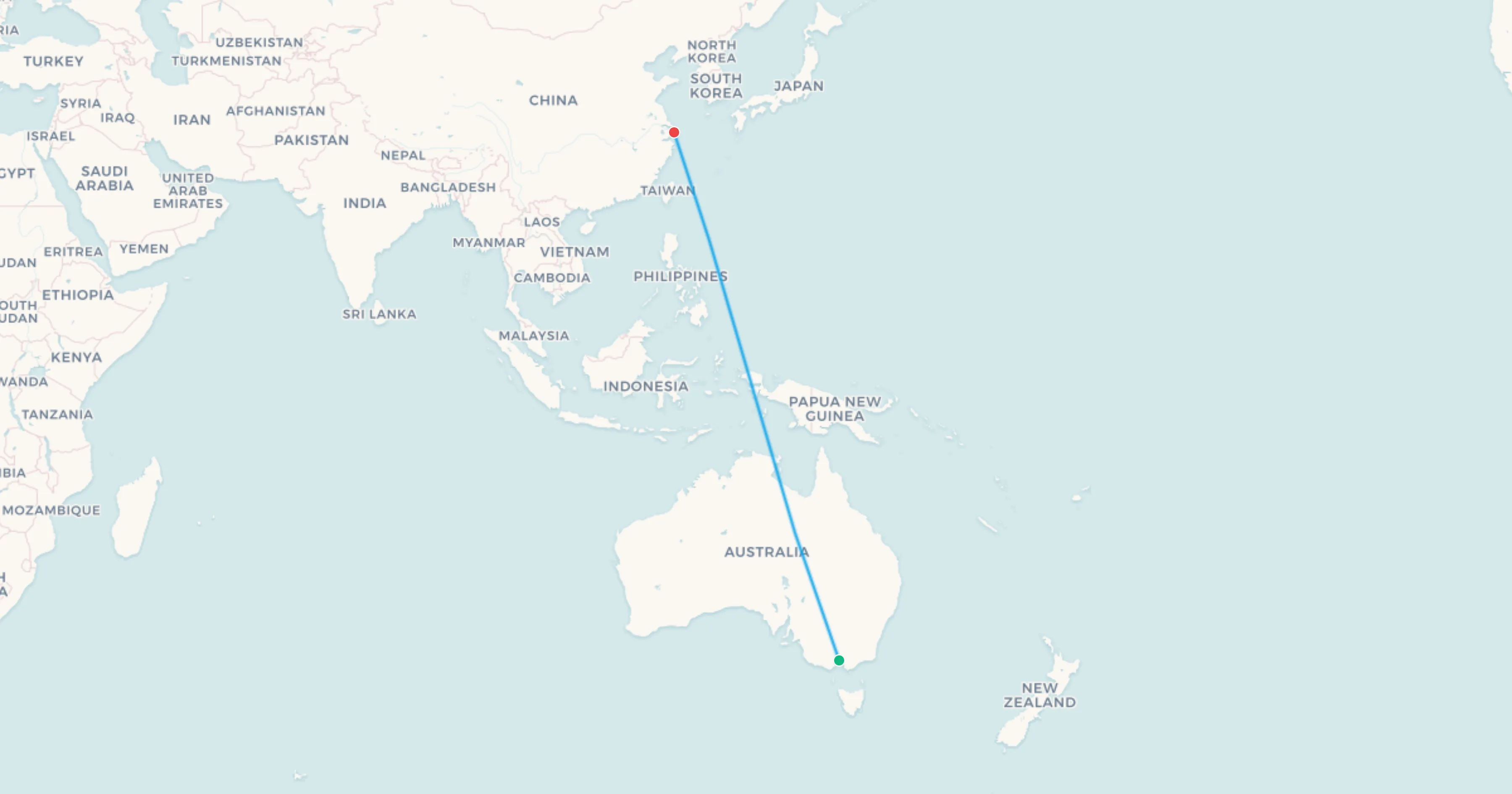
➕ Add this route to my map | 🗺️ Preview on the map | 📥 CSV
Search flights Melbourne → Shanghai Search flights MEL → PVG2. Shanghai → Suzuka: regional Asia transfer
Route: Chinese GP to Japanese GP
Logistics note: This regional Asia transfer is one of the easiest legs on the calendar and is usually handled with a single crew flight and local freight movement.
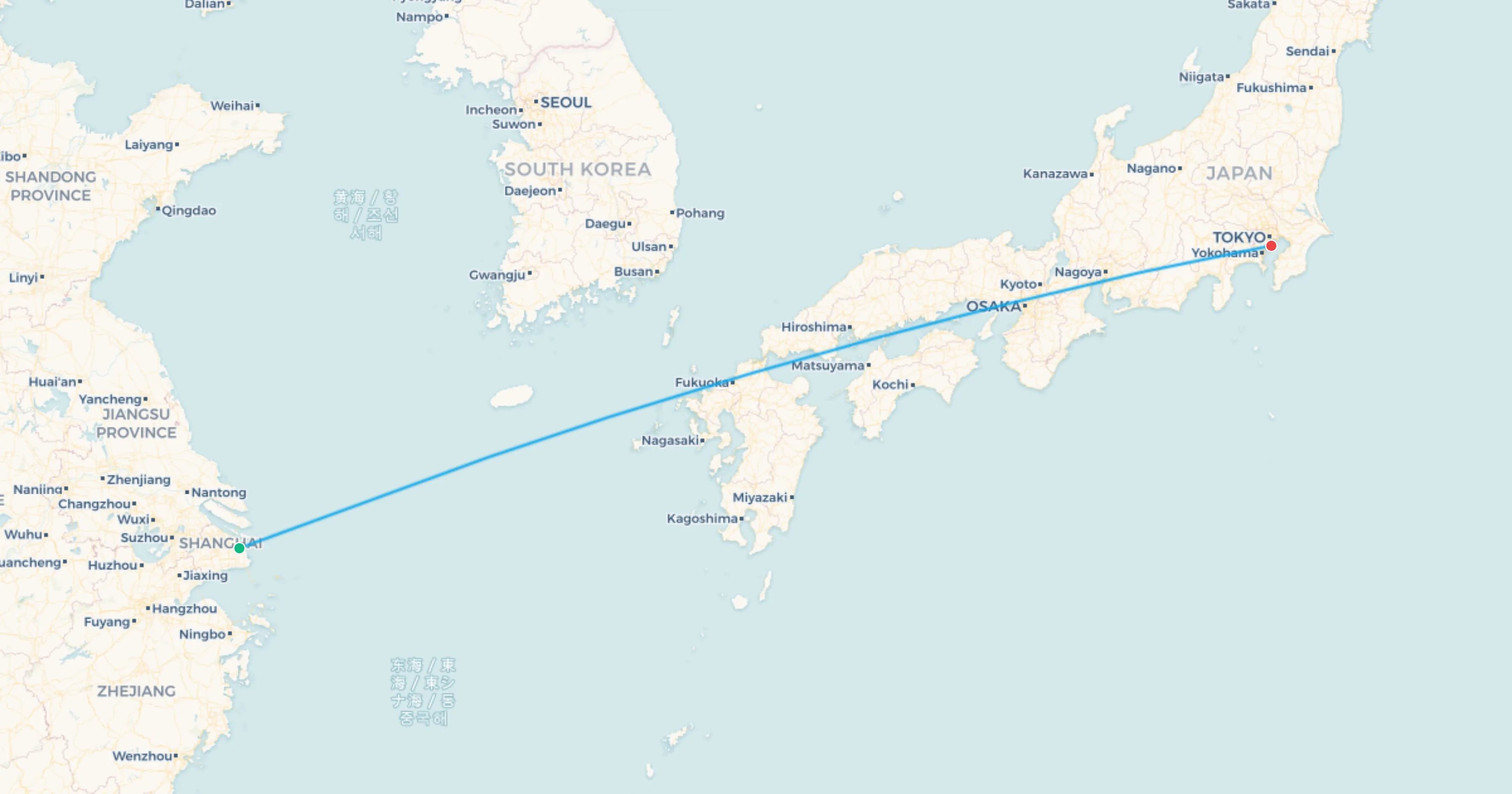
➕ Add this route to my map | 🗺️ Preview on the map | 📥 CSV
Search flights Shanghai → Suzuka Search flights PVG → HND3. Suzuka → Miami: Asia to North America pivot
Route: Japanese GP to Miami GP
Logistics note: A major intercontinental move from Asia to North America, often one of the most expensive and complicated legs of the year .
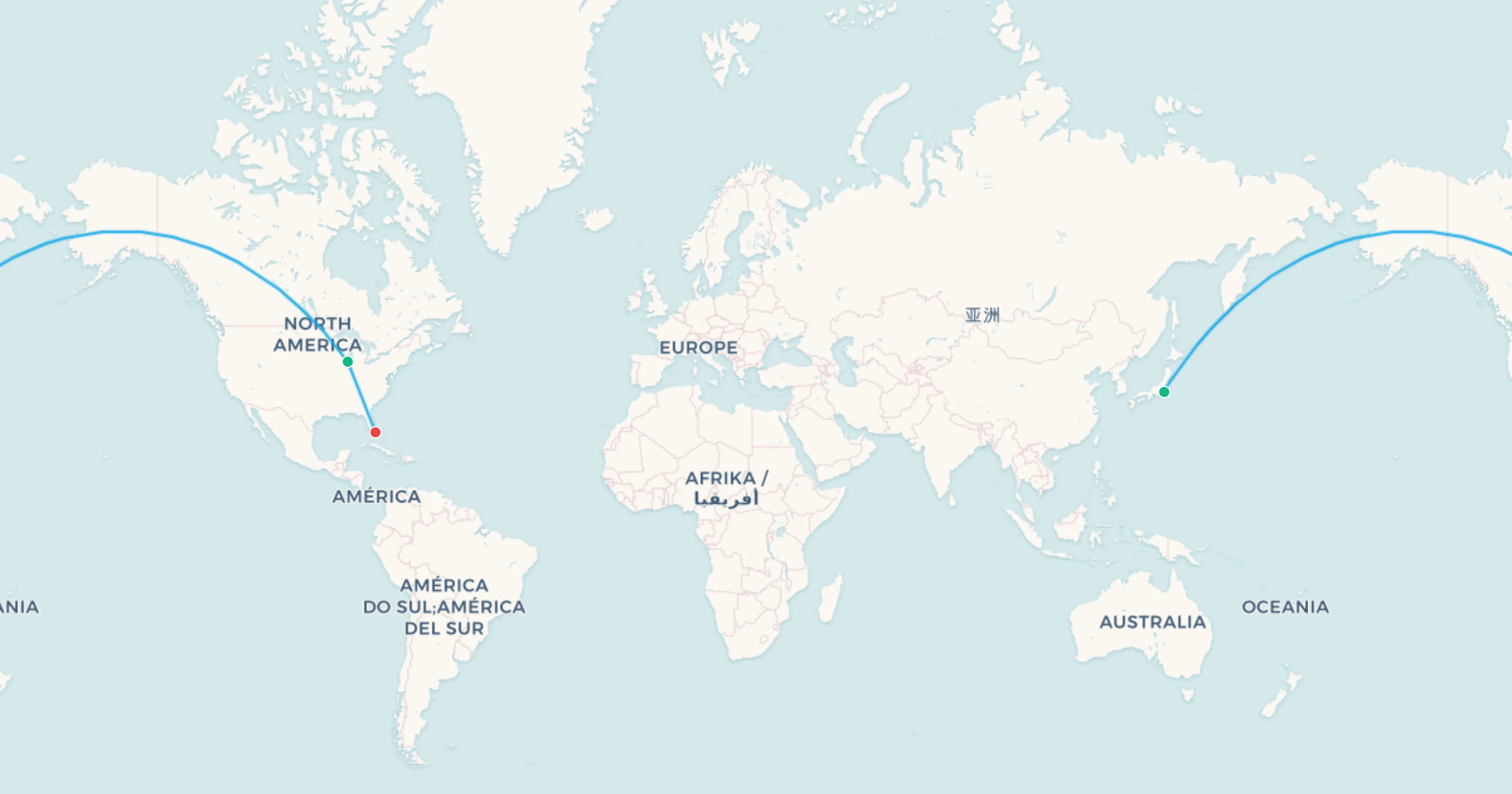
➕ Add these 2 routes to my map | 🗺️ Preview these routes on the map | 📥 CSV
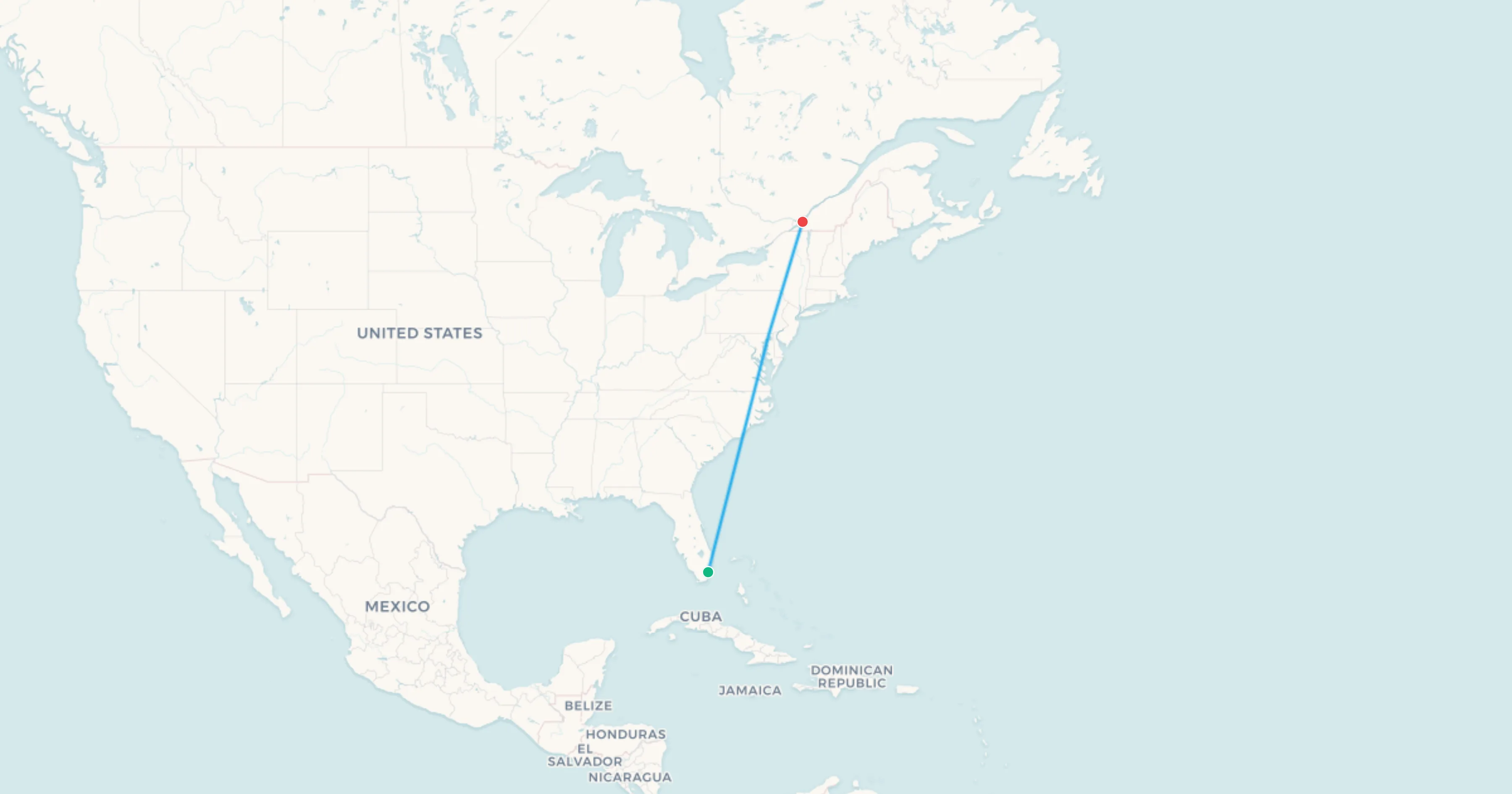
Search flights Suzuka → Miami Search flights HND → MIA4. Miami → Montreal: North American cargo rotation
Route: Miami GP to Canadian GP
Logistics note: A regional North American transfer that is easy to combine with a single cargo footprint and a fast crew rotation.
➕ Add this route to my map | 🗺️ Preview on the map | 📥 CSV
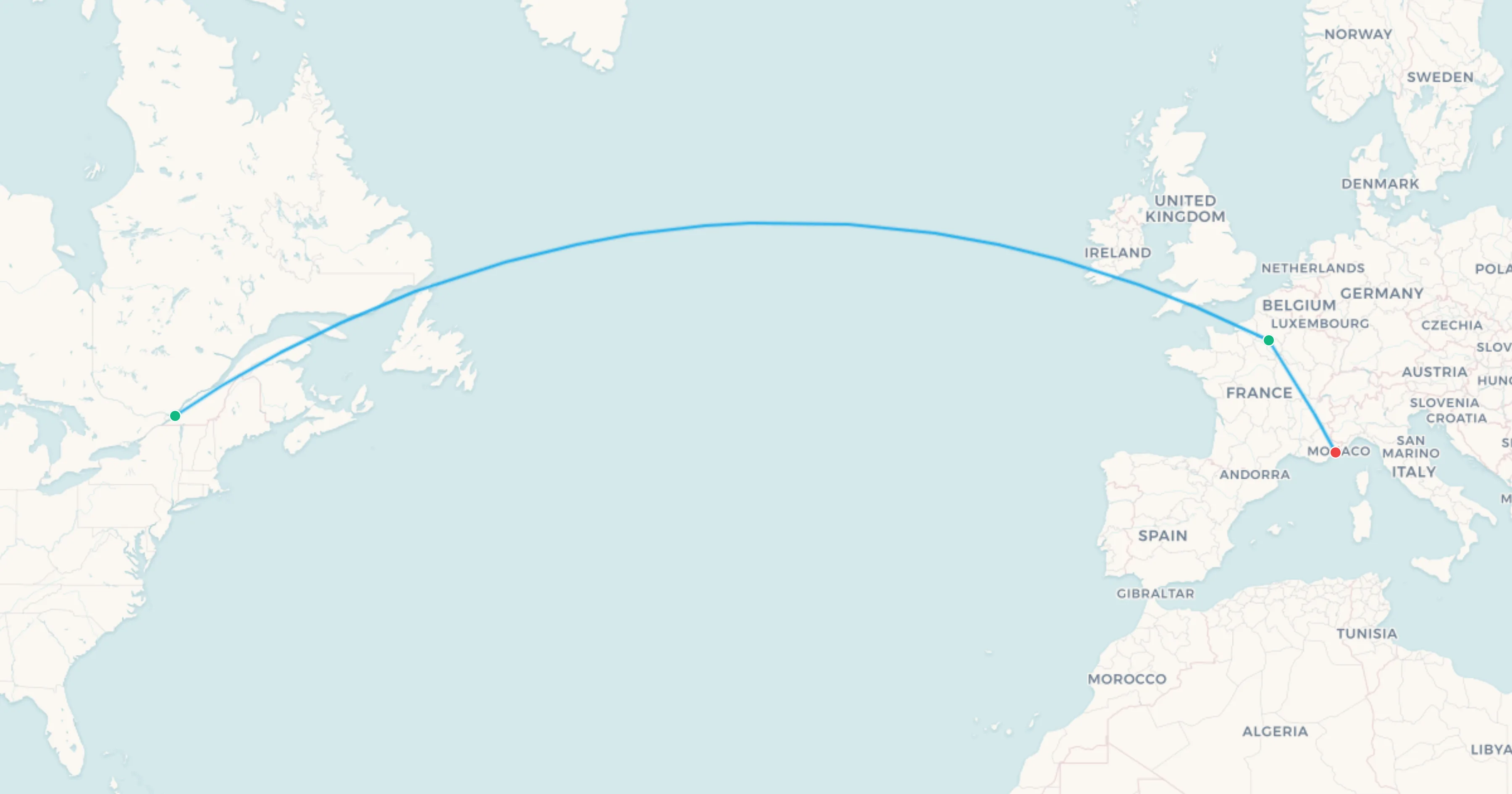
Search flights Miami → Montreal Search flights MIA → YUL5. Montreal → Monaco: transatlantic logistics
Route: Canadian GP to Monaco GP
Logistics note: A heavy transatlantic transfer that requires fast customs clearance and a reliable crew recovery window before Monaco.
➕ Add these 2 routes to my map | 🗺️ Preview these routes on the map | 📥 CSV
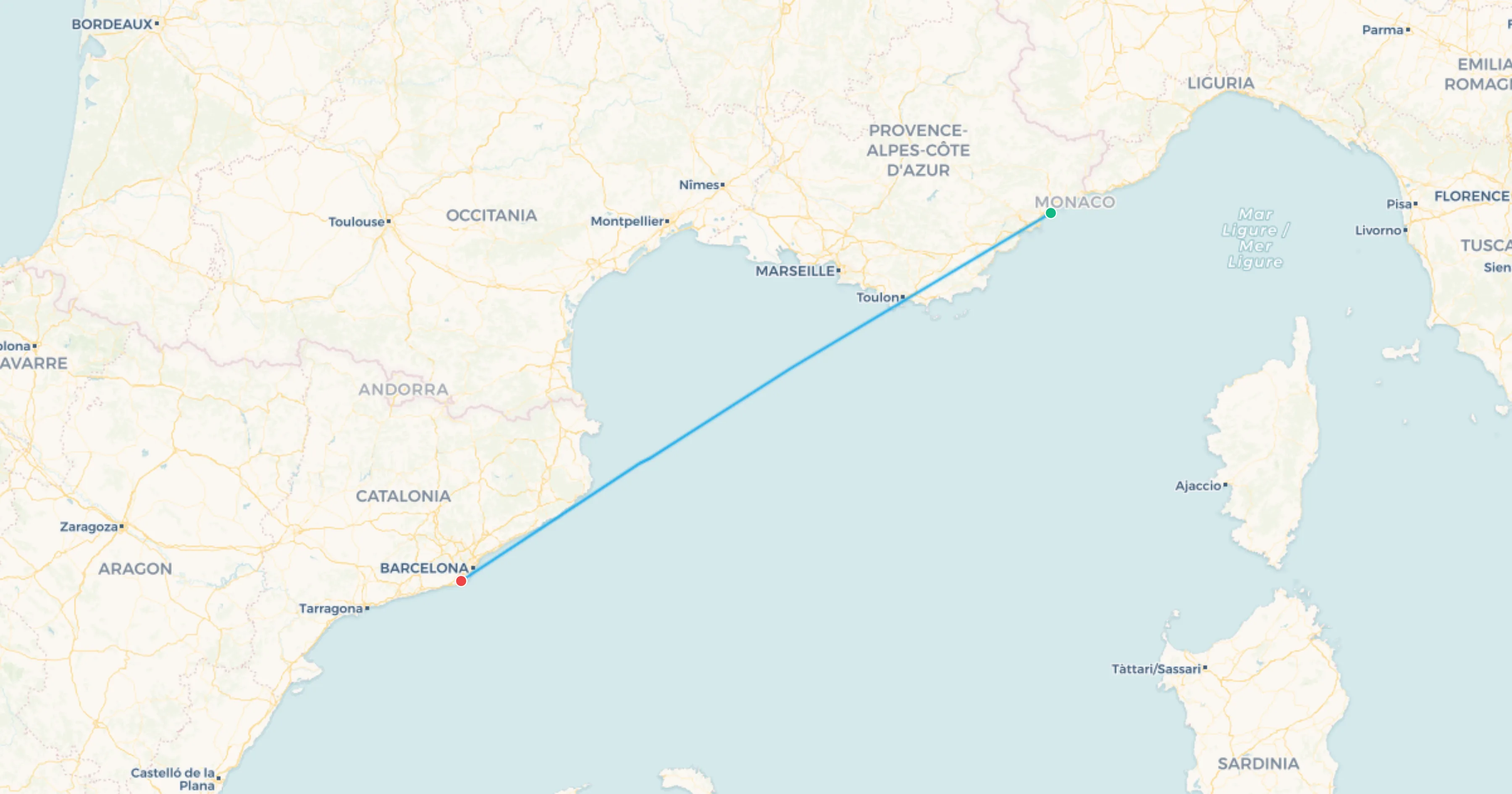
Search flights Montreal → Monaco Search flights YUL → NCE6. Monaco → Barcelona: Mediterranean regional transfer
Route: Monaco GP to Barcelona GP
Logistics note: This short Mediterranean transfer is a good example of how teams can move from a street circuit to a permanent track using fast regional flights.
➕ Add this route to my map | 🗺️ Preview on the map | 📥 CSV
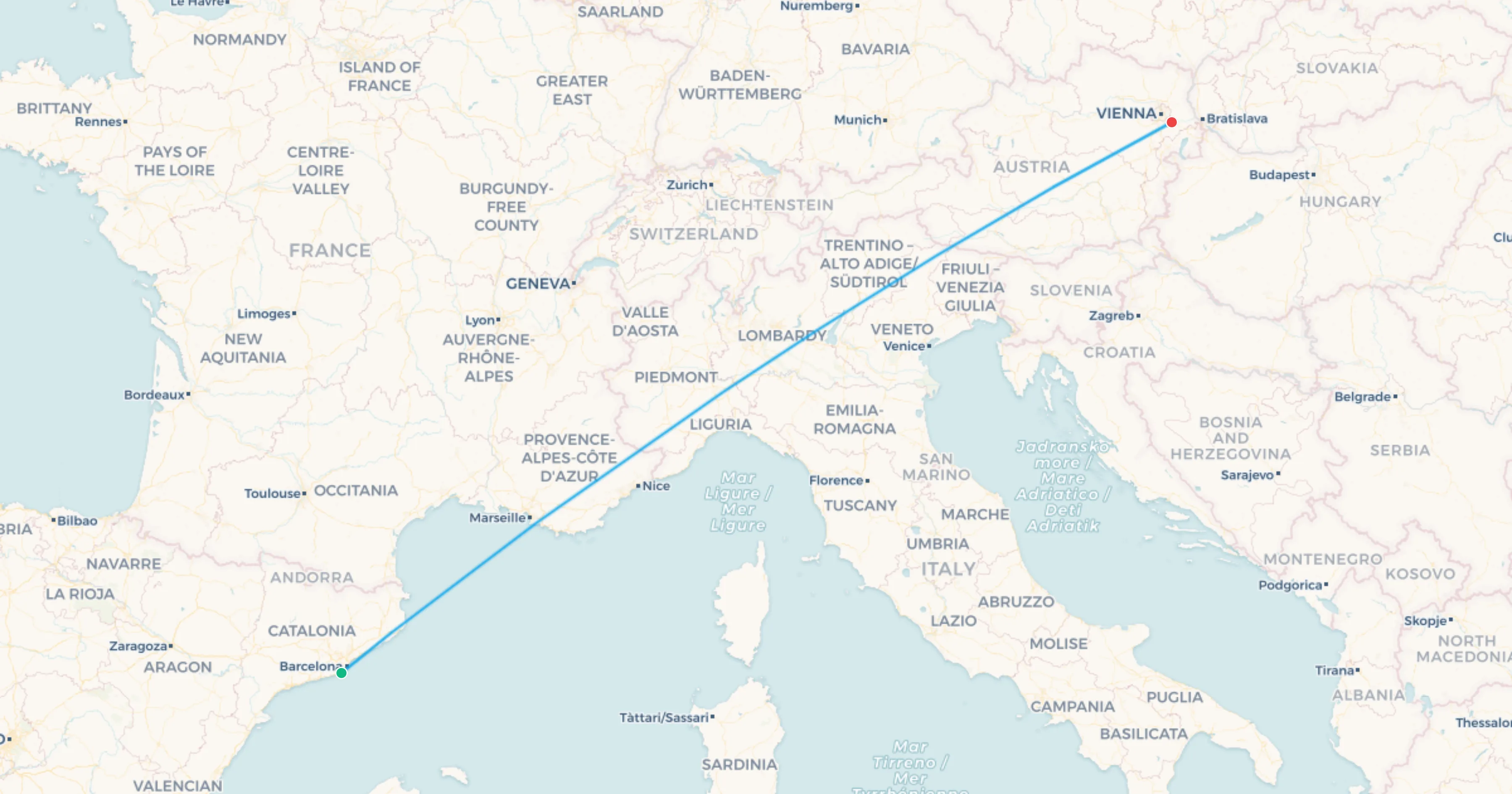
Search flights Monaco → Barcelona Search flights NCE → BCN7. Barcelona → Spielberg: European freight continuity
Route: Barcelona GP to Austrian GP
Logistics note: This short European leg is ideal for a single crew and freight pool covering consecutive races.
➕ Add this route to my map | 🗺️ Preview on the map | 📥 CSV
Search flights Barcelona → Spielberg Search flights BCN → VIE8. Spielberg → Silverstone: western Europe crew swap
Route: Austrian GP to British GP
Logistics note: This classic western European transfer is simple but important, enabling a crew and cargo pool to support multiple nearby venues.
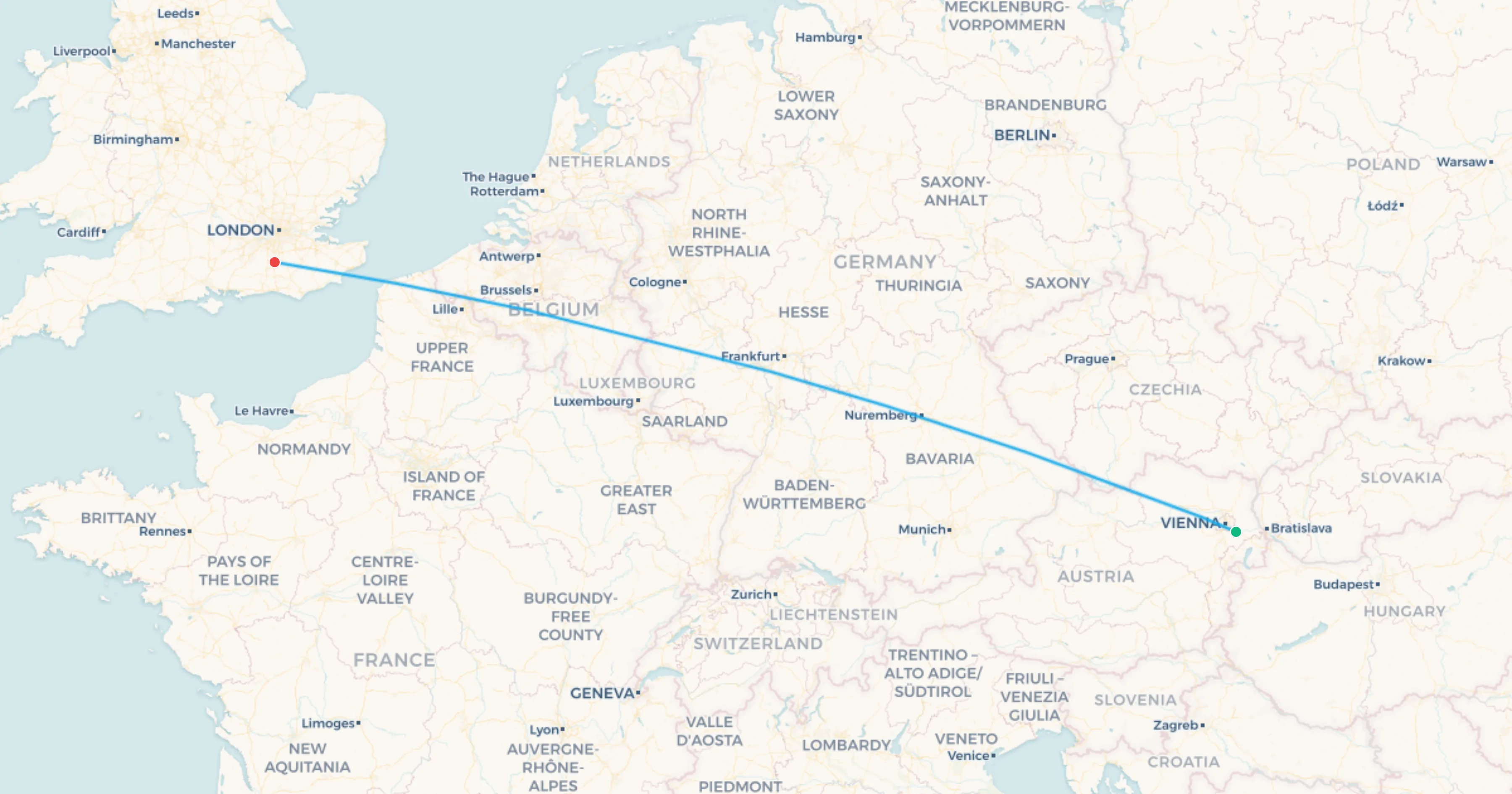
➕ Add this route to my map | 🗺️ Preview on the map | 📥 CSV
Search flights Spielberg → Silverstone Search flights VIE → LGW9. Silverstone → Spa: short European relay
Route: British GP to Belgian GP
Logistics note: One of the shortest transfers on the calendar, and a good example of a race pair that keeps travel costs low.
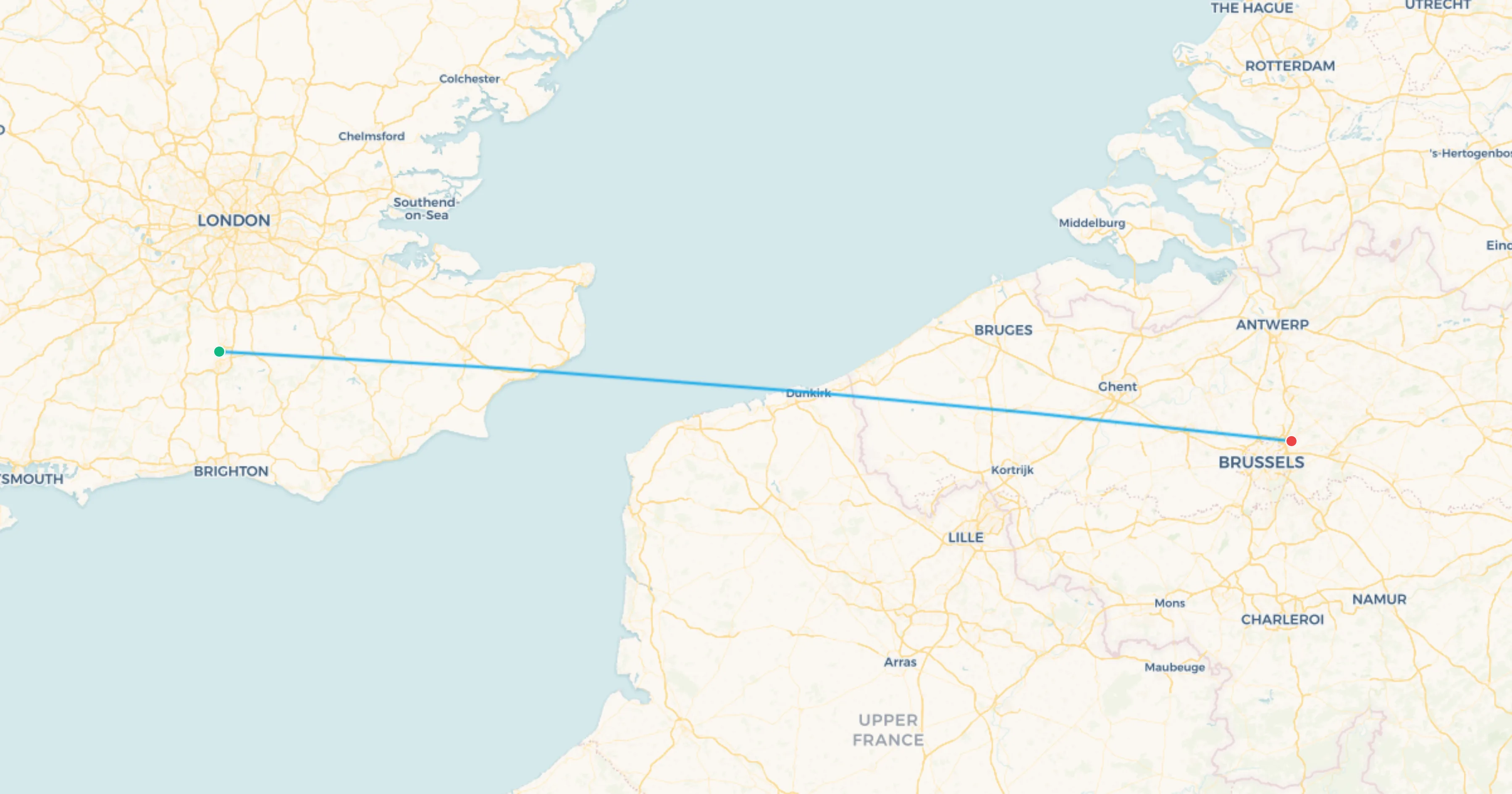
➕ Add this route to my map | 🗺️ Preview on the map | 📥 CSV
Search flights Silverstone → Spa Search flights LGW → BRU10. Spa → Budapest: central Europe repositioning
Route: Belgian GP to Hungarian GP
Logistics note: This eastward move is still within Europe, and it is often better handled by road freight supplemented with a short crew flight.
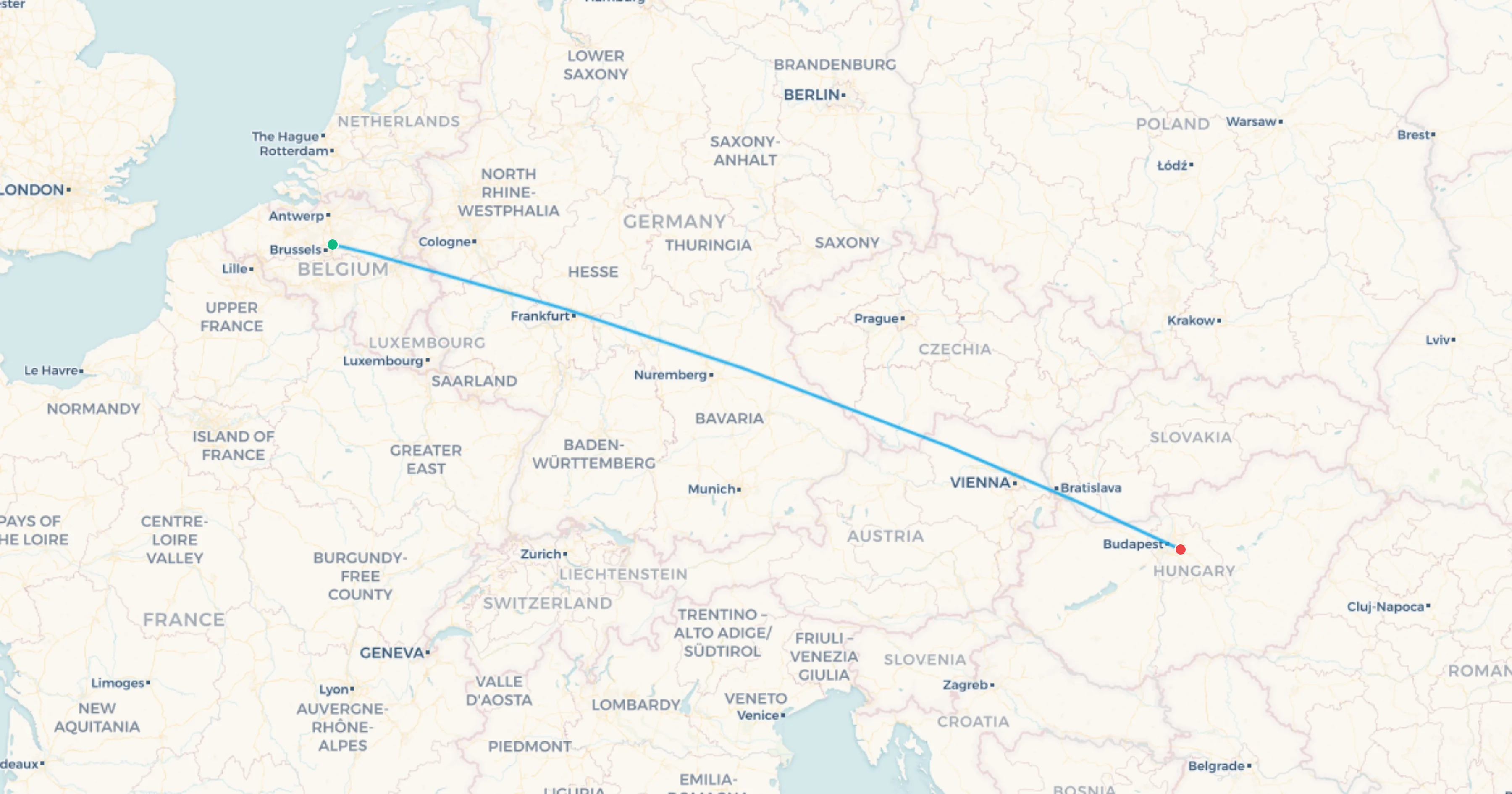
➕ Add this route to my map | 🗺️ Preview on the map | 📥 CSV
Search flights Spa → Budapest Search flights BRU → BUD11. Budapest → Zandvoort: northwestern Europe reset
Route: Hungarian GP to Dutch GP
Logistics note: This northwestern transfer is short enough to keep the same regional support team active without a major reconfiguration.
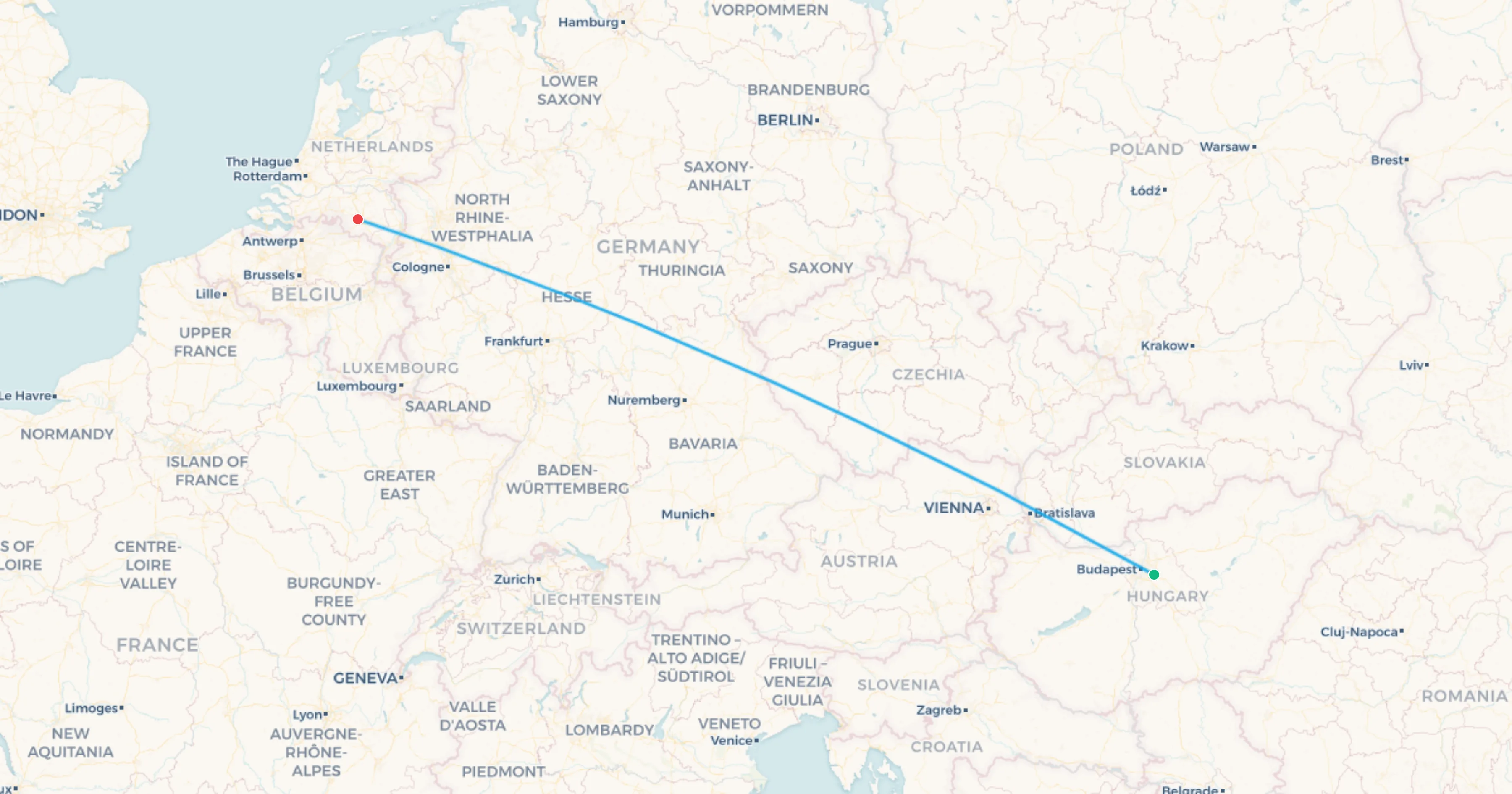
➕ Add this route to my map | 🗺️ Preview on the map | 📥 CSV
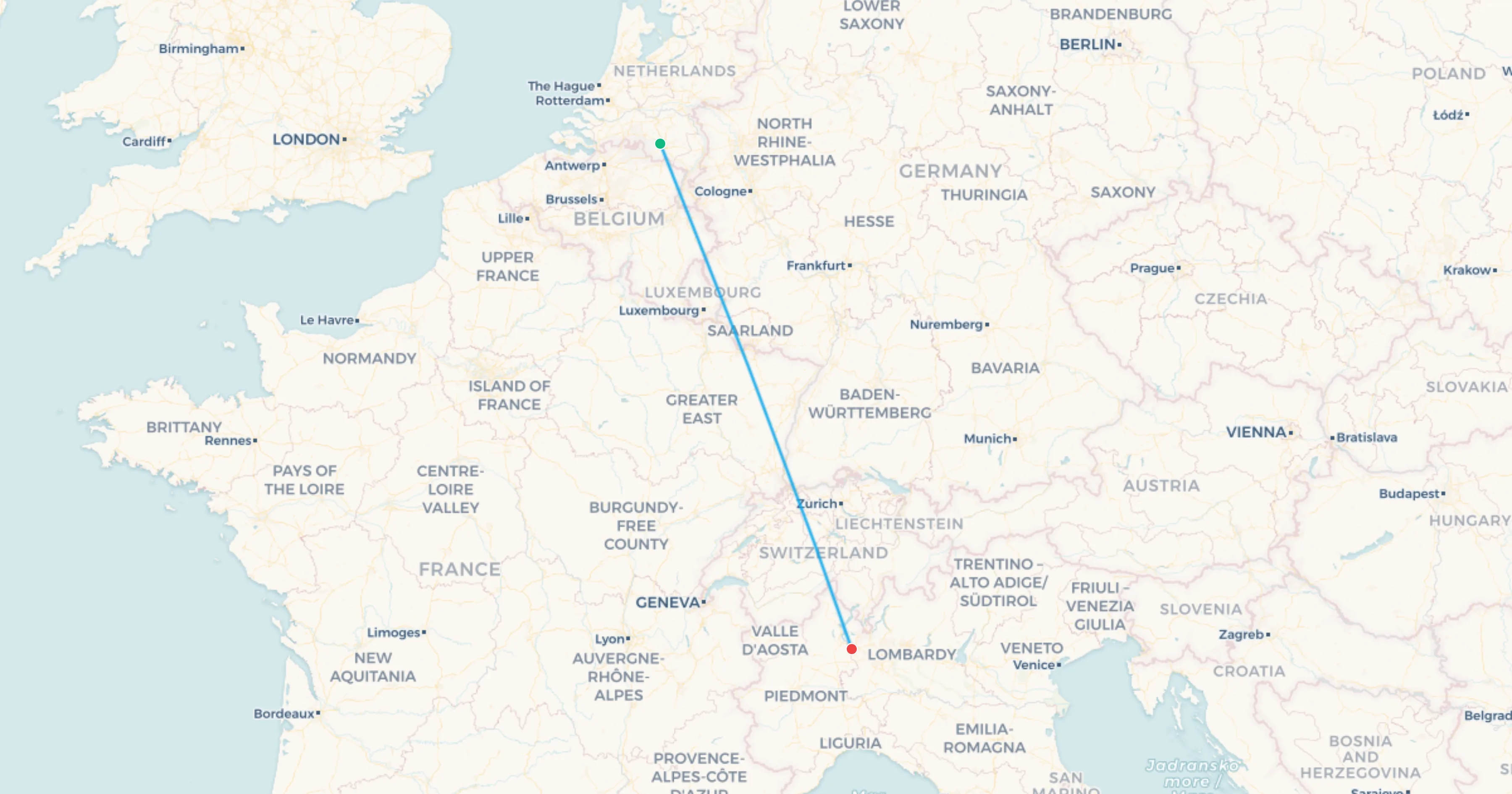
Search flights Budapest → Zandvoort Search flights BUD → EIN12. Zandvoort → Monza: northern Europe to Italy route
Route: Dutch GP to Italian GP
Logistics note: The team shifts from Northern Europe to Italy, keeping the season's European freight footprint compact.
➕ Add this route to my map | 🗺️ Preview on the map | 📥 CSV
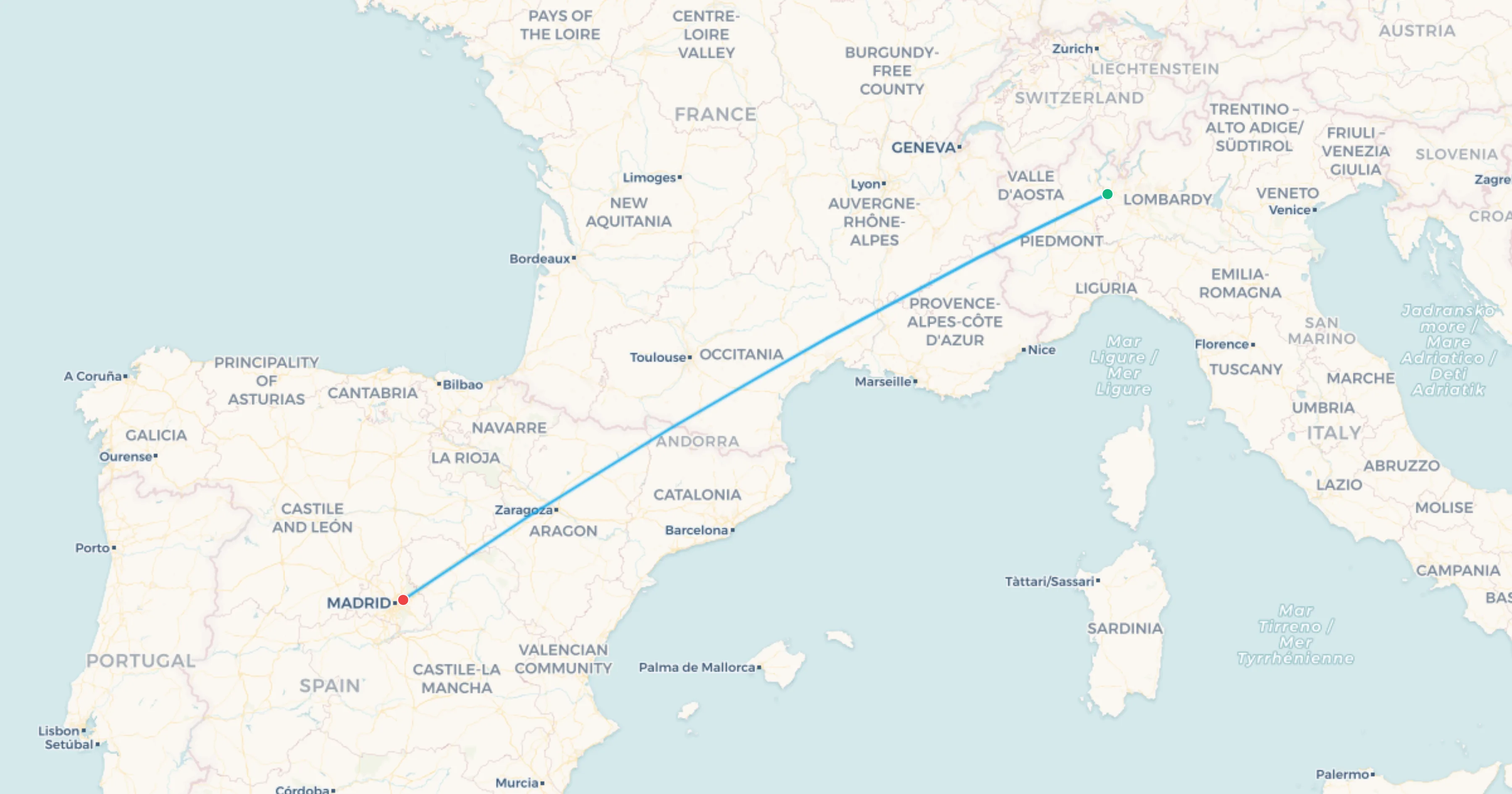
Search flights Zandvoort → Monza Search flights EIN → MXP13. Monza → Madrid: Spanish GP logistics
Route: Italian GP to Spanish GP
Logistics note: With Madrid taking the Spanish GP slot, this leg shows how the calendar can create a separate autumn travel block even within one country.
➕ Add this route to my map | 🗺️ Preview on the map | 📥 CSV
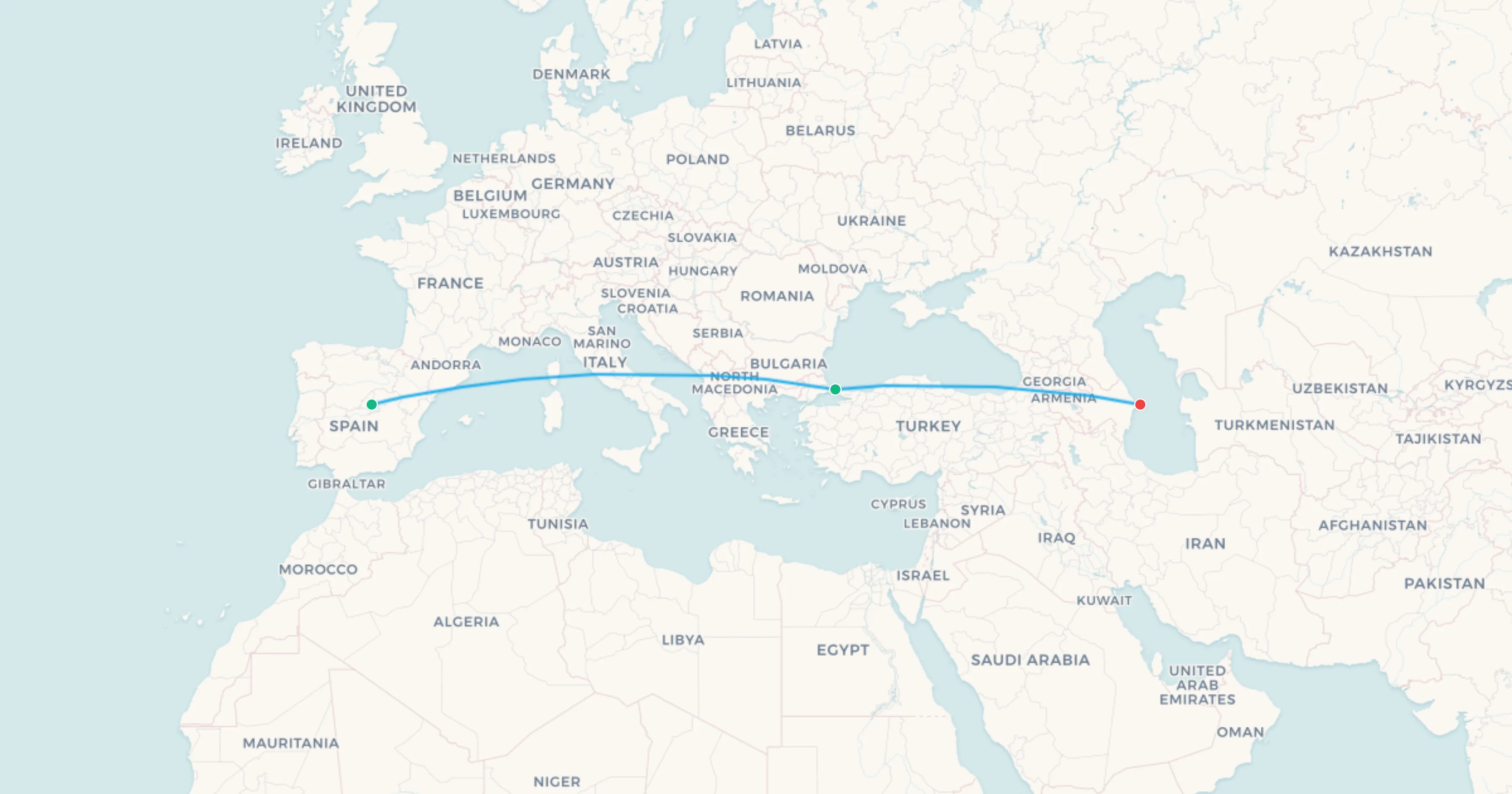
Search flights Monza → Madrid Search flights MXP → MAD14. Madrid → Baku: Europe-to-Asia long haul
Route: Spanish GP to Azerbaijan GP
Logistics note: This autumn move can be one of the longest European-to-Asia transitions in the season, requiring excellent customs and overflight planning.
➕ Add these 2 routes to my map | 🗺️ Preview these routes on the map | 📥 CSV
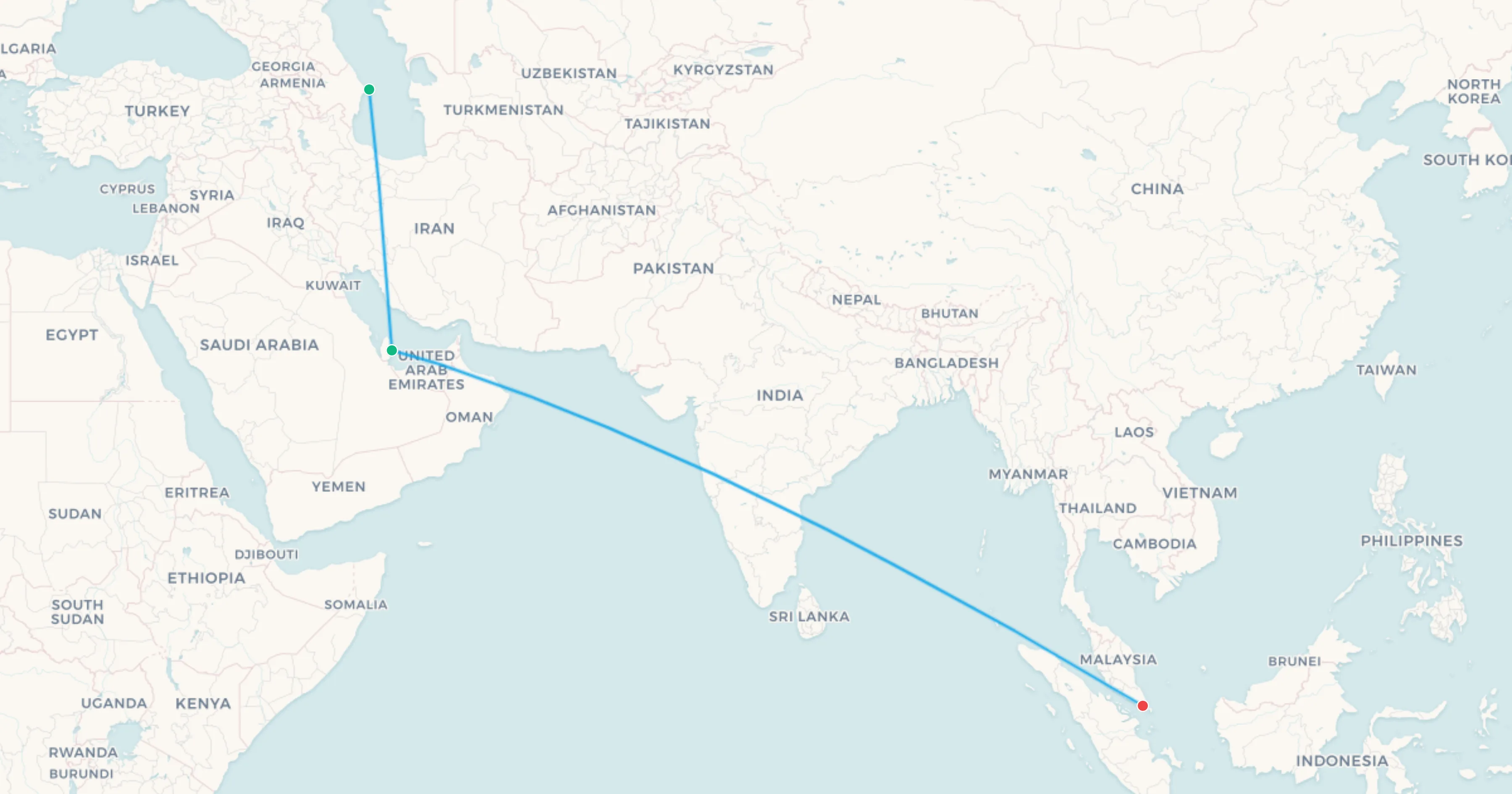
Search flights Madrid → Baku Search flights MAD → GYD15. Baku → Singapore: Eurasian-to-Southeast Asia transfer
Route: Azerbaijan GP to Singapore GP
Logistics note: The move from Europe to Southeast Asia is one of the season's biggest repositionings, often requiring a cargo route that can carry tyres and hospitality equipment in one pass.
➕ Add these 2 routes to my map | 🗺️ Preview these routes on the map | 📥 CSV
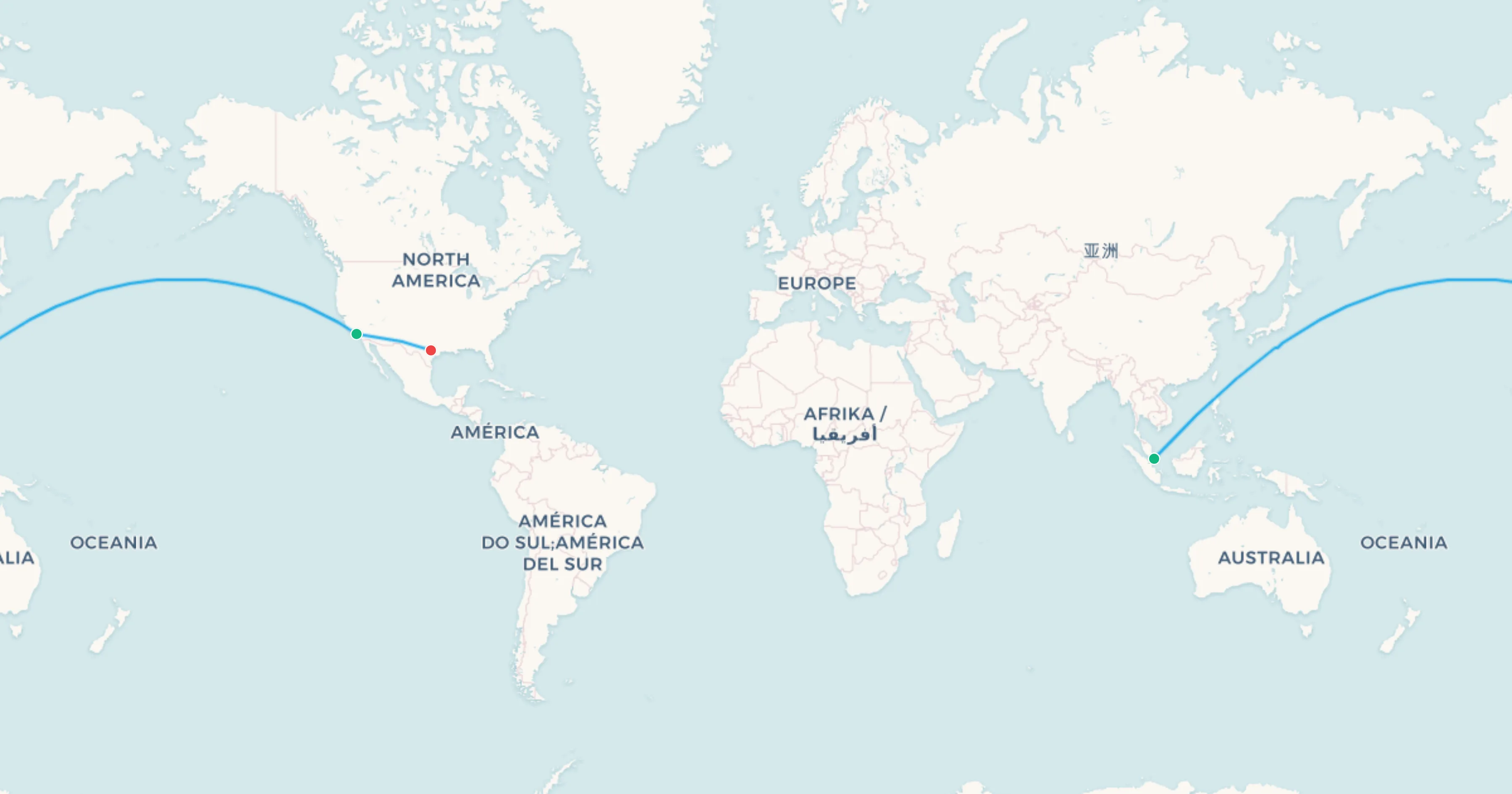
Search flights Baku → Singapore Search flights GYD → SIN16. Singapore → Austin: transpacific season reset
Route: Singapore GP to United States GP
Logistics note: The transpacific move to Austin is a key autumn reset, and it often marks the moment when the season's operations shift back toward the Americas.
➕ Add these 2 routes to my map | 🗺️ Preview these routes on the map | 📥 CSV
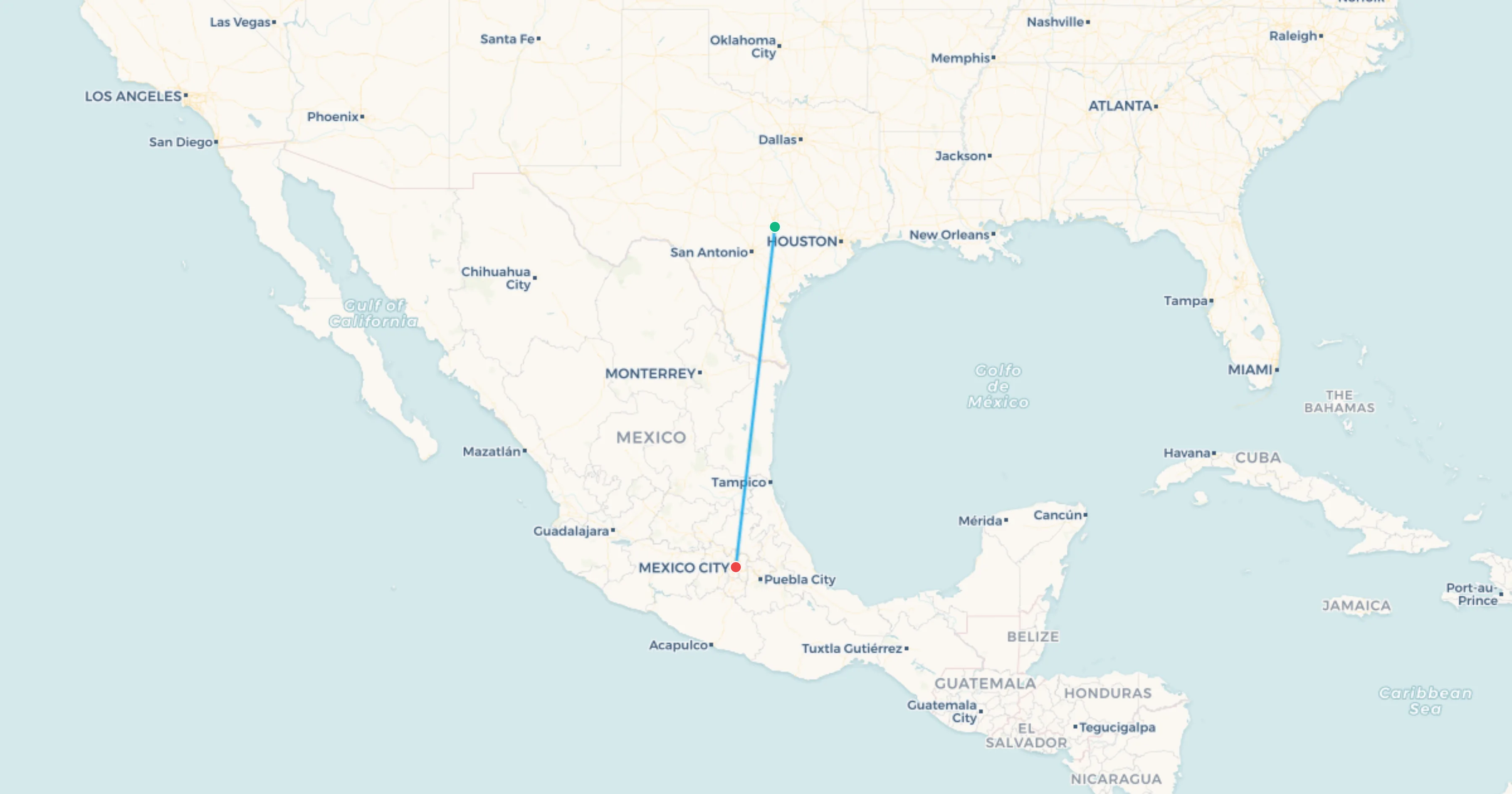
Search flights Singapore → Austin Search flights SIN → AUS17. Austin → Mexico City: Americas regional relay
Route: United States GP to Mexican GP
Logistics note: This short North American leg is one of the most efficient transfers on the calendar and often a welcome break for the crew.
➕ Add this route to my map | 🗺️ Preview on the map | 📥 CSV
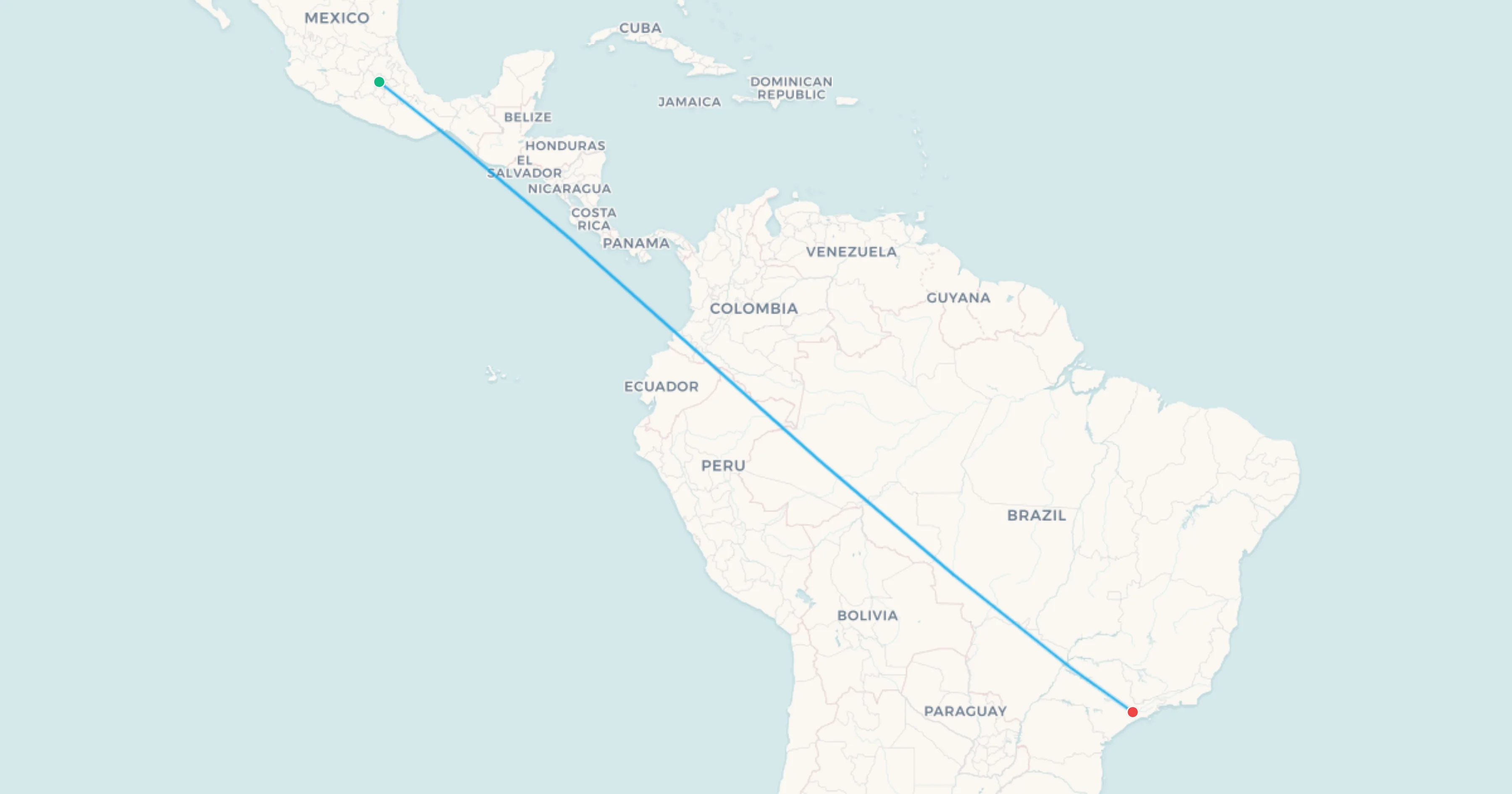
Search flights Austin → Mexico City Search flights AUS → MEX18. Mexico City → São Paulo: South America repositioning
Route: Mexican GP to Brazilian GP
Logistics note: This leg keeps the Americas block intact and often benefits from a smooth direct flight between the two South American venues.
➕ Add this route to my map | 🗺️ Preview on the map | 📥 CSV
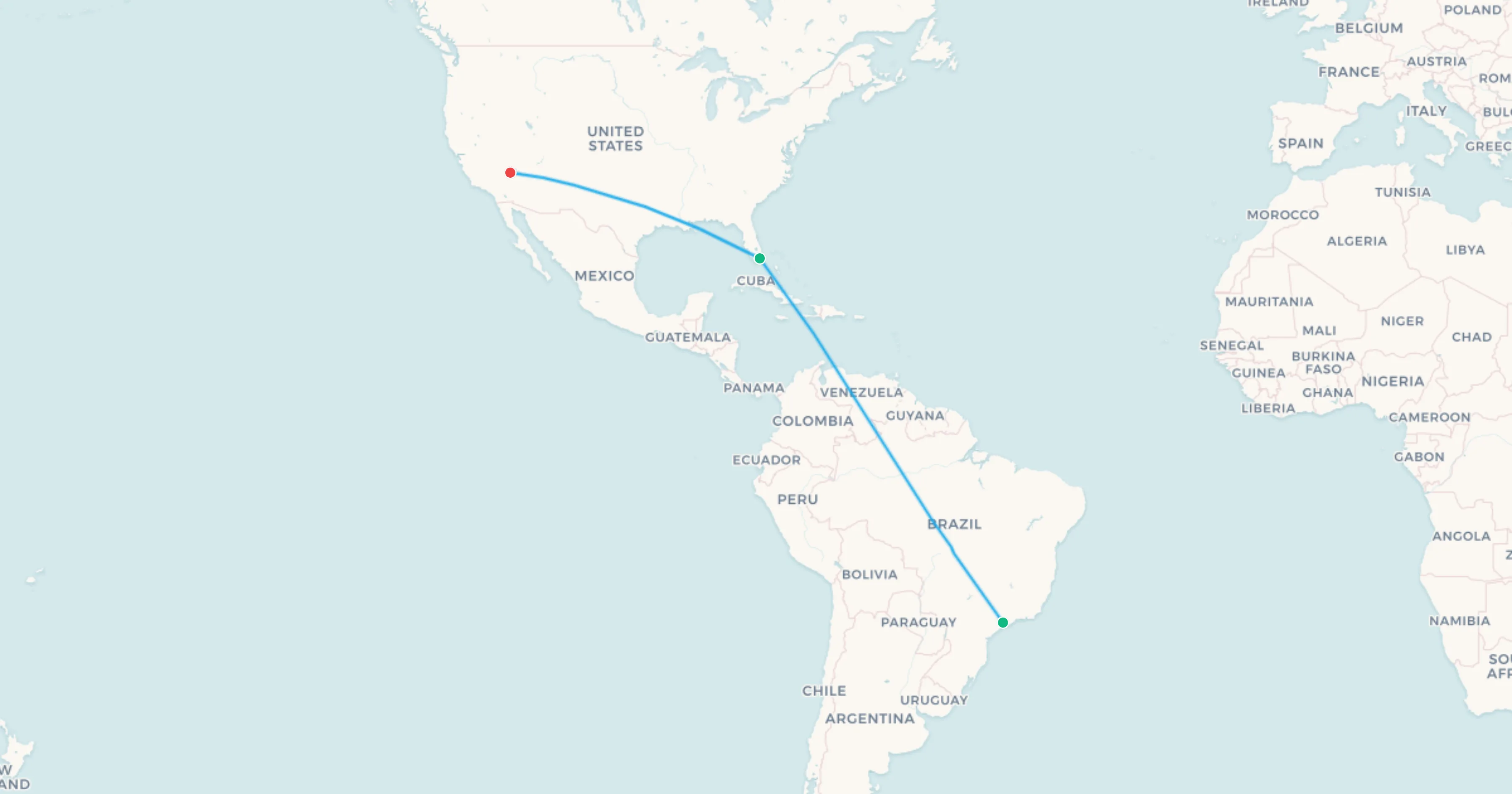
Search flights Mexico City → São Paulo Search flights MEX → GRU19. São Paulo → Las Vegas: long-haul Americas jump
Route: Brazilian GP to Las Vegas GP
Logistics note: This long-haul jump is one of the most complex and expensive on the calendar, moving from South America to the U.S. West Coast.
➕ Add these 2 routes to my map | 🗺️ Preview these routes on the map | 📥 CSV
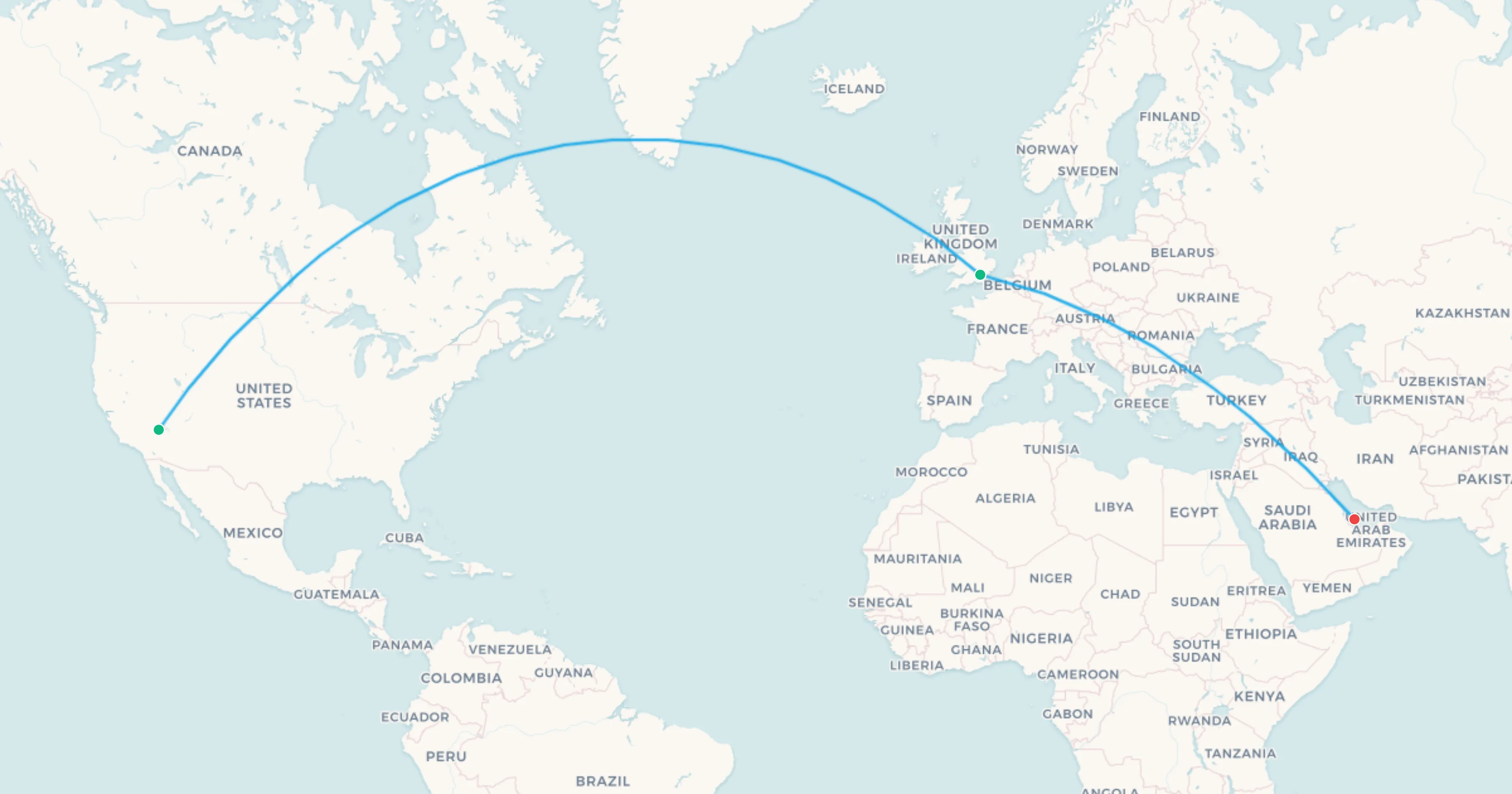
Search flights São Paulo → Las Vegas Search flights GRU → LAS20. Las Vegas → Lusail: Americas to Middle East shift
Route: Las Vegas GP to Qatar GP
Logistics note: This ultra-long transfer starts the Middle East finale. The main challenge is keeping the season on schedule after a heavy Americas block.
➕ Add these 2 routes to my map | 🗺️ Preview these routes on the map | 📥 CSV
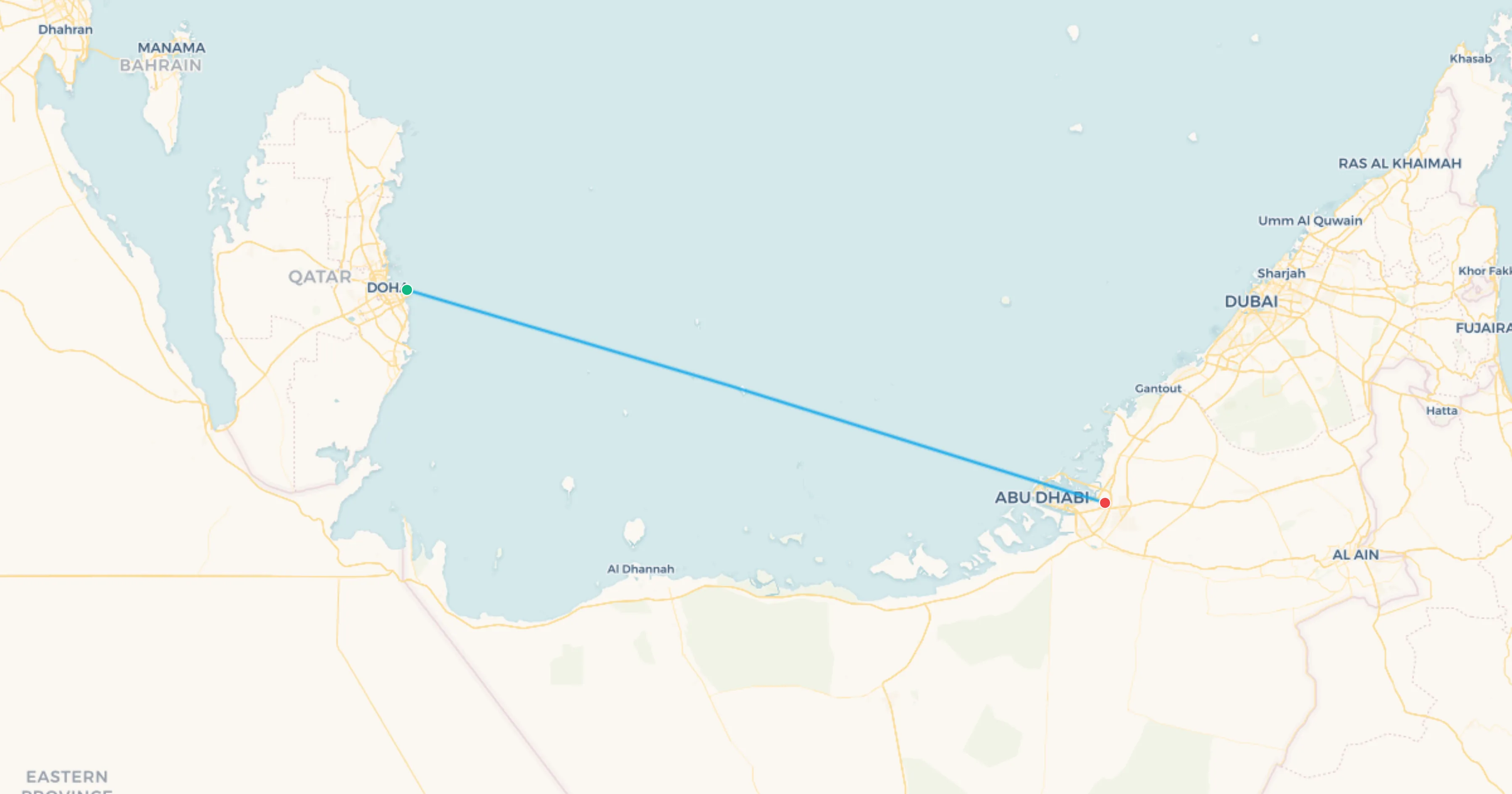
Search flights Las Vegas → Lusail Search flights LAS → DOH21. Lusail → Abu Dhabi: season finale regional move
Route: Qatar GP to Abu Dhabi GP
Logistics note: The season finale is a short regional move, but teams still treat it seriously because it closes the transport cycle and starts the post-season pack down.
➕ Add this route to my map | 🗺️ Preview on the map | 📥 CSV
Search flights Lusail → Abu Dhabi Search flights DOH → AUHWhy this example is still relevant
Every F1 season follows the same logistics principles, even when the calendar changes. Teams still group races into air blocks, secure dedicated cargo and crew flights, and adapt to the toughest long-haul repositionings.
This article uses the 2026 calendar as a practical logistics playbook. The route data, CSV download and app tracking links help you compare these same planning decisions with future seasons or your own travel routes. Fans tracking other major 2026 sporting events will find similar complexity in our FIFA World Cup 2026 fan travel guide .
Key takeaways for flight fans
- F1 logistics follow the same planning rules from season to season.
- This calendar is a strong example because it includes Asia-Pacific, North America, Europe, and the Americas-to-Middle East finale.
- Each leg is treated separately, with a focus on cargo, crew, customs, and rest cycles.
- Mapping the full route and studying each connection is how professional teams keep the paddock moving efficiently.